Introduction
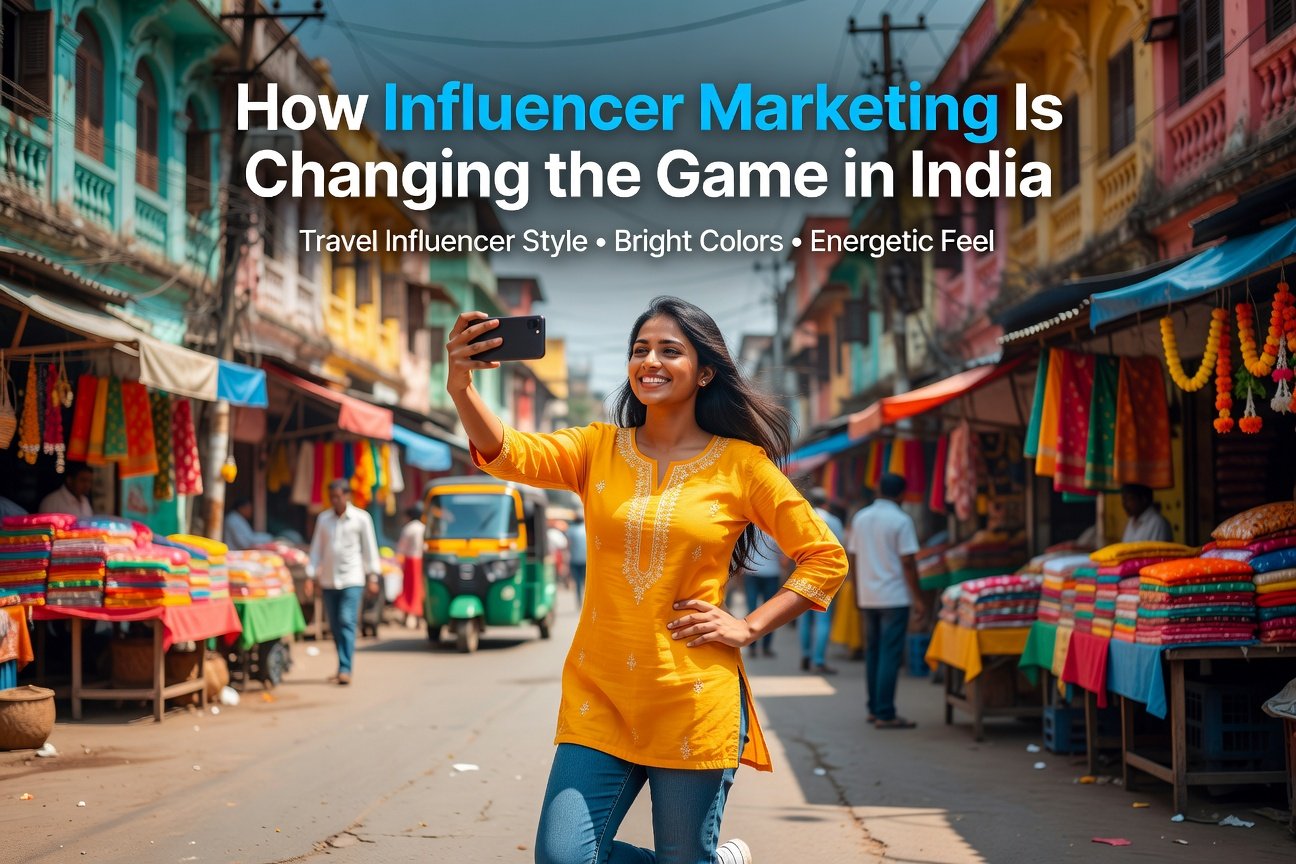
In recent years, India has witnessed a seismic shift in the way brands communicate and engage with consumers. Gone are the days of traditional advertising, which often felt impersonal and disconnected from the audience. Instead, influencer marketing has emerged as a powerful tool, reshaping the landscape of brand promotion and consumer interaction. With a rapidly growing digital population, brands are leveraging the trust and relatability that influencers possess, creating a new paradigm in marketing strategies.
Understanding Influencer Marketing
Influencer marketing involves collaborating with individuals who have a significant following on social media platforms, such as Instagram, YouTube, and Facebook. These influencers possess the ability to sway their audience’s opinions and purchasing decisions through authentic content and personal engagement.
The Rise of Influencer Marketing in India
India is home to over 700 million internet users, a number that continues to grow. This expansive digital ecosystem has given rise to a new wave of influencers, ranging from beauty gurus and travel bloggers to fitness experts and food enthusiasts. The democratization of content creation has made it easier for anyone with a passion and a smartphone to become an influencer.
Key Factors Driving Influencer Marketing in India
- Massive Social Media Adoption: Platforms like Instagram and YouTube have become household names, with millions of users engaging daily.
- Trust and Authenticity: Influencers often have a closer relationship with their audience than brands do, fostering a sense of trust.
- Targeted Reach: Brands can reach specific demographics by collaborating with niche influencers who cater to particular interests.
- Cost-Effectiveness: Compared to traditional marketing channels, influencer marketing can be more affordable and yield better ROI.
The Impact of Influencer Marketing on Brand Communication
Influencer marketing is not just a trend; it is a fundamental change in how brands communicate with their audience. Here’s how:
1. Humanizing Brands
Brands are often seen as faceless entities, but influencers can humanize these brands by sharing personal experiences and stories. This emotional connection can lead to higher engagement and loyalty.
2. Creating Authentic Content
Influencers craft content that resonates with their audience, making it more relatable and engaging. This authenticity encourages followers to trust the brand recommendations made by influencers.
3. Driving Consumer Engagement
Influencers encourage interaction through comments, likes, and shares, creating a two-way communication channel that traditional advertising lacks. This engagement can significantly enhance brand visibility and reach.
Effective Strategies for Influencer Marketing in India
Brands looking to harness the power of influencer marketing should consider the following strategies:
1. Identify the Right Influencers
Not all influencers will align with your brand values or target audience. Consider factors such as:
- Follower Count
- Engagement Rate
- Content Quality
- Niche Relevance
2. Collaborate Creatively
Encourage influencers to create unique content that showcases your product in an authentic manner. This could include:
- Product Reviews
- Tutorials or How-To Videos
- Behind-the-Scenes Content
3. Monitor Campaign Performance
Track the success of your influencer marketing campaigns through various metrics such as:
- Engagement Rates
- Conversion Rates
- Brand Mentions
Challenges of Influencer Marketing in India
While influencer marketing presents numerous opportunities, it also comes with its own set of challenges:
1. Finding Authentic Influencers
With the rise of influencer marketing, some individuals may resort to unethical practices, such as purchasing followers. Brands must conduct thorough research to ensure they collaborate with genuine influencers.
2. Maintaining Brand Integrity
It’s crucial to maintain brand voice and messaging while allowing influencers to express their creativity. Striking this balance can be challenging but is essential for brand consistency.
3. Navigating Regulatory Guidelines
Influencers in India are required to disclose partnerships and sponsorships. Brands must ensure compliance with these regulations to avoid legal repercussions.
Future Trends in Influencer Marketing in India
The future of influencer marketing in India looks promising, with several emerging trends:
1. Rise of Micro and Nano Influencers
Brands are increasingly recognizing the value of micro and nano influencers, who often have higher engagement rates and a more targeted audience.
2. Video Content Dominance
As video consumption continues to soar, platforms like TikTok and YouTube will play a crucial role in influencer marketing strategies.
3. Data-Driven Campaigns
Utilizing analytics and data insights will help brands fine-tune their strategies, ensuring more effective influencer collaborations.
[DETAIL_IMAGE]
Conclusion
Influencer marketing is undeniably changing the game in India, offering brands innovative ways to connect with consumers. As the digital landscape continues to evolve, embracing this marketing strategy will be essential for brands looking to thrive. By understanding the dynamics of influencer relationships and the unique challenges they present, brands can leverage this powerful tool to enhance their visibility and engagement.
Are you ready to explore the potential of influencer marketing for your brand? Start your journey today by collaborating with the right influencers who align with your vision!
FAQ
1. What is influencer marketing?
Influencer marketing is a strategy that involves partnering with individuals who have a large following on social media to promote products or services.
2. How do I choose the right influencer for my brand?
Consider factors like follower count, engagement rates, content quality, and niche relevance to find an influencer who aligns with your brand values.
3. What are the benefits of influencer marketing?
Benefits include increased brand visibility, higher engagement rates, and the ability to reach targeted demographics effectively.
4. Are there any risks involved in influencer marketing?
Yes, risks include partnering with inauthentic influencers, potential damage to brand reputation, and failing to comply with regulatory guidelines.
5. How can I measure the success of my influencer marketing campaign?
You can measure success through engagement rates, conversion rates, and overall brand mentions across social media platforms.
[YOUTUBE_EMBED]