Introduction
In today’s digital landscape, influencer marketing has emerged as a powerful strategy for brands looking to connect with their target audience. Collaborating with the right influencers can enhance brand visibility, drive engagement, and ultimately increase sales. However, successful collaborations require a well-thought-out strategy and adherence to best practices. This article will explore essential best practices for collaborating with influencers to maximize your brand’s outcomes.
Understanding Influencer Marketing
Before diving into the best practices, it’s crucial to understand what influencer marketing entails. Influencer marketing involves partnering with individuals who have a significant following on social media or other online platforms. These influencers can sway the purchasing decisions of their audience, making them valuable allies for brands.
Types of Influencers
- Macro-Influencers: Typically have over 100,000 followers and can reach a broader audience.
- Micro-Influencers: Have between 1,000 to 100,000 followers. They often boast higher engagement rates and more niche audiences.
- Nano-Influencers: With fewer than 1,000 followers, they may have a close-knit community that trusts their recommendations.
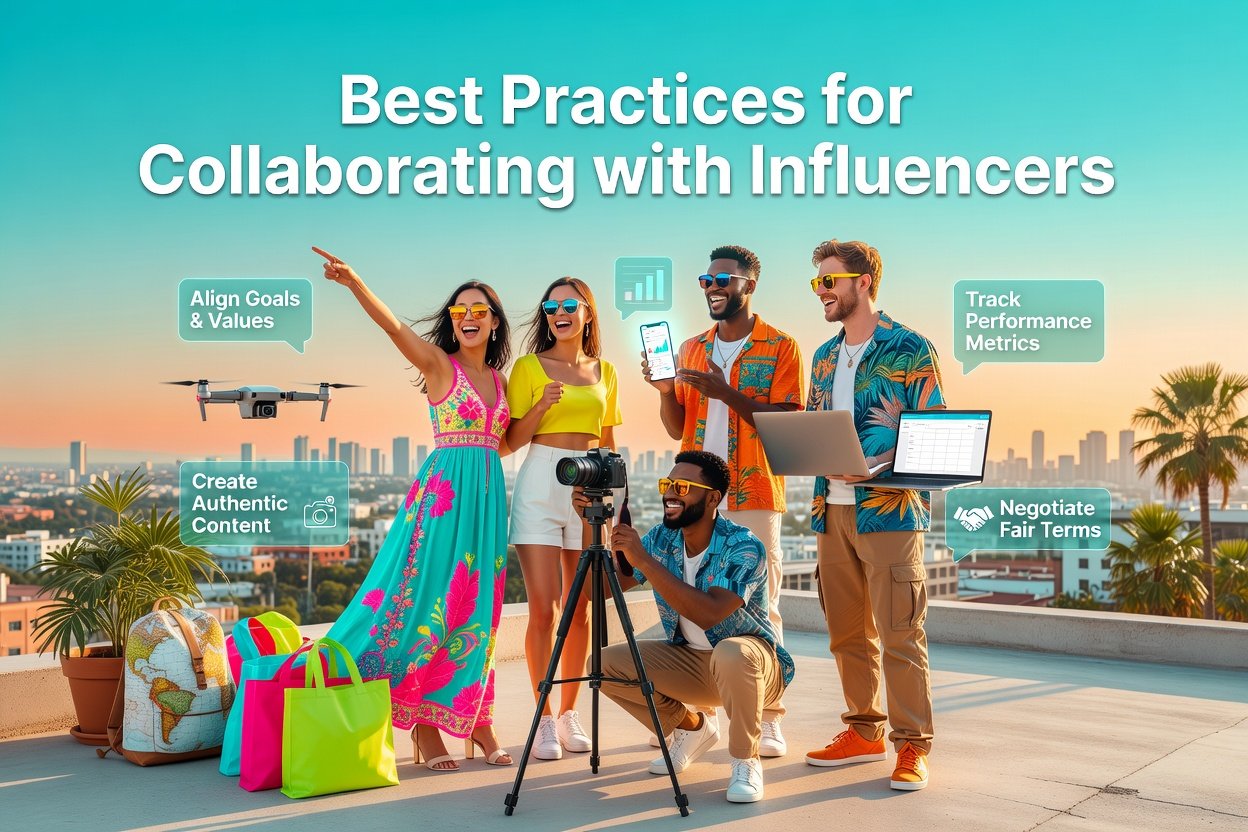
Best Practices for Collaborating with Influencers
1. Define Your Goals
Before reaching out to influencers, it’s vital to establish clear goals for your campaign. Consider what you hope to achieve, such as:
- Increasing brand awareness
- Driving website traffic
- Boosting sales
- Building a community
2. Identify the Right Influencers
Selecting the right influencers is pivotal to your campaign’s success. Here are some tips:
- Relevance: Ensure the influencer’s content aligns with your brand values and target audience.
- Engagement Rate: Look beyond follower count. Higher engagement often leads to better results.
- Authenticity: Choose influencers who genuinely connect with their audience.
3. Build Genuine Relationships
Connecting with influencers on a personal level can lead to more authentic collaborations. Consider these strategies:
- Follow them on social media and engage with their content.
- Send personalized messages expressing your admiration for their work.
- Invite them to events or product launches.
4. Develop a Clear Brief
A well-structured brief ensures that influencers understand your expectations. Include the following elements:
- Your brand’s mission and values
- Campaign objectives and key messages
- Content guidelines (e.g., tone, style, format)
- Deadlines and deliverables
5. Allow Creative Freedom
While it’s essential to provide guidelines, allow influencers the freedom to express their creativity. They know their audience best, and their unique style can enhance authenticity. Trust their judgment in crafting content that resonates with their followers.
6. Track and Measure Performance
To assess the effectiveness of your collaboration, track the following metrics:
- Engagement rate (likes, shares, comments)
- Reach and impressions
- Website traffic and conversions
- Return on investment (ROI)
Utilize tools like Google Analytics or social media insights to gather data and evaluate performance.
7. Foster Long-term Partnerships
Building long-term relationships with influencers can lead to more successful collaborations. Consider the following:
- Provide ongoing support and communication.
- Offer exclusive deals or opportunities to your influencers.
- Engage them in future campaigns and initiatives.
Common Pitfalls to Avoid
While implementing best practices, be aware of common pitfalls that can hinder your influencer marketing efforts:
- Choosing Influencers Solely Based on Follower Count: Focus on engagement and relevance instead.
- Being Overly Controlling: Micromanaging can stifle creativity.
- Lack of Clear Goals: Without defined objectives, measuring success becomes challenging.
[DETAIL_IMAGE]
Conclusion
Collaborating with influencers can be a game-changer for your brand, provided you follow the best practices outlined above. By defining your goals, selecting the right influencers, and fostering genuine relationships, you can unlock the full potential of influencer marketing. Remember, the key to successful collaborations lies in authenticity and mutual benefit.
Ready to take your influencer marketing strategy to the next level? Start implementing these best practices today and see how they transform your brand’s outreach!
Frequently Asked Questions (FAQ)
1. How do I find the right influencers for my brand?
Research influencers in your niche, check their engagement rates, and assess their audience demographics to find the right fit.
2. What is the average cost of collaborating with an influencer?
Costs vary widely based on the influencer’s reach, engagement, and the type of content produced. Micro-influencers may charge less than macro-influencers.
3. How can I measure the success of my influencer marketing campaign?
Track metrics such as engagement, reach, website traffic, and conversions to measure the success of your campaign.
4. Is it necessary to provide influencers with specific content guidelines?
While it’s important to offer guidelines, allow influencers creative freedom to maintain authenticity in their content.
5. Can influencer collaborations lead to long-term partnerships?
Yes, building long-term relationships with influencers can lead to ongoing collaborations and stronger brand loyalty.
[YOUTUBE_EMBED]