The Evolution of Influencer Marketing in India
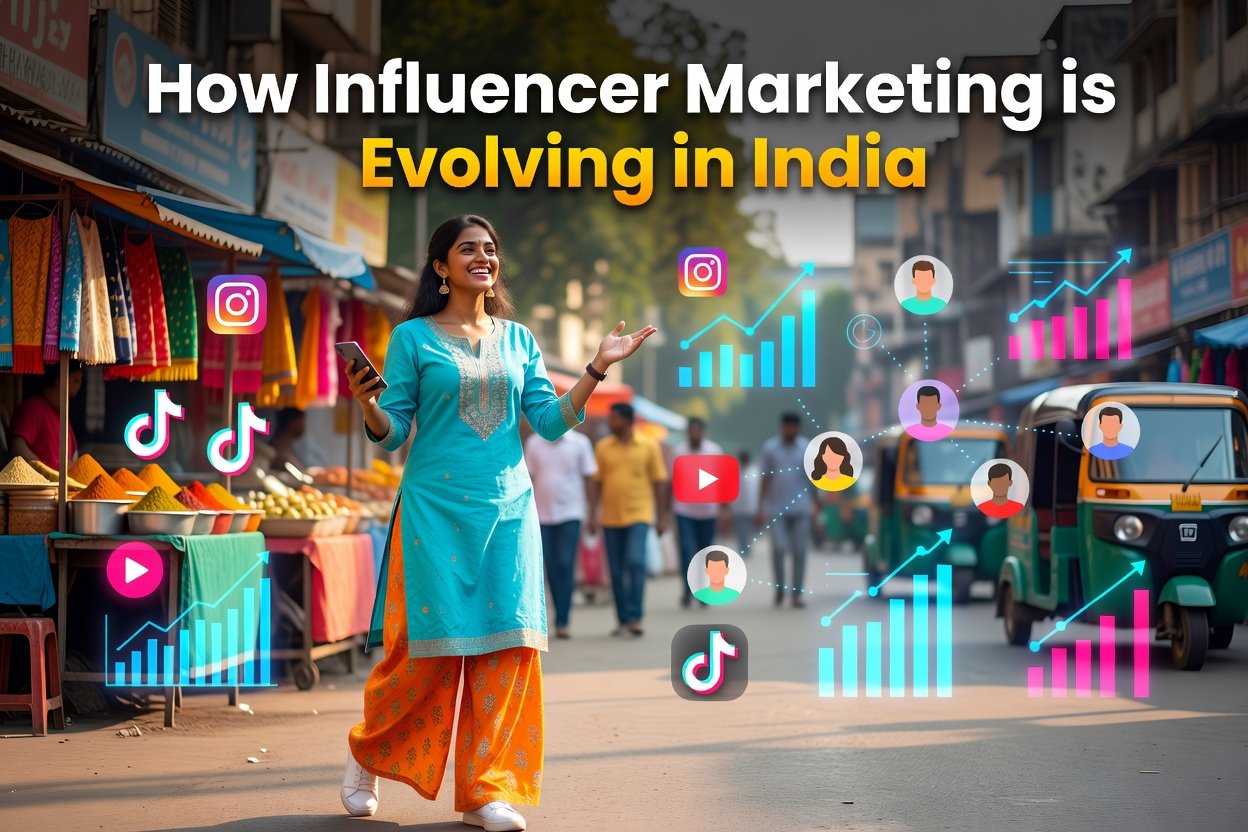
In recent years, India has witnessed a seismic shift in the way brands approach marketing, particularly with the rise of influencer marketing. This strategy, which leverages the reach and credibility of social media personalities, has transformed how businesses connect with consumers. As the digital landscape evolves, so too does the nature of influencer marketing. Understanding this evolution is crucial for brands and creators alike who wish to harness the full potential of this dynamic medium.
The Current State of Influencer Marketing in India
Influencer marketing in India has grown exponentially, with a plethora of creators emerging across various platforms such as Instagram, YouTube, and TikTok. With over 500 million internet users, India presents a unique opportunity for brands to engage with audiences in a personal and authentic way.
Key Statistics
- Over 70% of Indian consumers trust recommendations from influencers.
- Influencer marketing is expected to reach $15 billion in India by 2025.
- Micro-influencers (those with 10,000 to 100,000 followers) are becoming increasingly popular due to their high engagement rates.
Trends Shaping Influencer Marketing in India
As the market matures, several trends are shaping the future of influencer marketing in India:
1. Rise of Micro and Nano Influencers
Brands are shifting their focus from macro-influencers with millions of followers to micro and nano influencers who often have a more engaged audience. These creators typically have between 1,000 to 100,000 followers and can drive higher engagement rates due to their perceived authenticity.
2. Authentic Content Creation
Consumers are increasingly looking for authenticity in the content they consume. Influencers who share genuine experiences and honest opinions resonate more with their audience. This trend encourages brands to collaborate with creators who align with their values and messaging.
3. Integration of E-commerce
The integration of e-commerce features on platforms like Instagram and YouTube allows influencers to directly link to products they promote, making it easier for followers to make purchases. This seamless shopping experience is becoming a game-changer for brands.
4. Niche Marketing
As influencer marketing matures, brands are embracing niche markets. Collaborating with influencers who specialize in specific areas—such as health, travel, or technology—allows brands to reach targeted audiences effectively.
5. Video Content Dominance
With the rise of platforms like TikTok and the continued popularity of YouTube, video content is now at the forefront of influencer marketing. Brands are increasingly investing in video campaigns that showcase their products in creative and engaging ways.
[DETAIL_IMAGE]
Challenges in Influencer Marketing
Despite its growth, influencer marketing in India faces several challenges:
1. Lack of Regulations
The absence of regulatory guidelines can lead to issues with transparency and authenticity. Brands need to ensure that their partnerships with influencers are disclosed properly to maintain trust with their audience.
2. Oversaturation of Influencers
As more individuals enter the influencer space, it becomes challenging for brands to identify the right creators to partner with. Brands must be diligent in selecting influencers whose values align with their own to avoid potential backlash.
3. Measurement of ROI
Determining the return on investment (ROI) from influencer marketing campaigns can be difficult. Brands need to establish clear metrics for success and utilize analytics tools to measure their effectiveness accurately.
What Brands Should Consider
For brands looking to navigate the evolving landscape of influencer marketing in India, here are some key considerations:
- Define Your Goals: Clearly outline what you hope to achieve through influencer marketing, whether it’s brand awareness, lead generation, or sales.
- Choose the Right Influencers: Look for influencers whose audience demographics match your target market and who share similar values.
- Foster Authentic Relationships: Building genuine partnerships with influencers can lead to more impactful campaigns and long-term success.
- Track Performance: Use analytics to monitor the performance of your campaigns and adjust strategies accordingly.
Future of Influencer Marketing in India
The future of influencer marketing in India looks promising. As technology advances and consumer behavior continues to shift, brands will need to adapt their strategies accordingly. Here are some predictions for the future:
1. Increased Investment in Influencer Marketing
Brands are likely to allocate more budget towards influencer marketing as they recognize its effectiveness compared to traditional advertising methods. For a deeper understanding of this comparison, check out our article on Influencer Marketing vs. Traditional Advertising in India.
2. Enhanced Personalization
Brands will increasingly leverage data analytics to create personalized campaigns that resonate with specific audience segments, making collaborations more effective.
3. Rise of Virtual Influencers
Virtual influencers, computer-generated characters that have their own social media presence, are gaining traction globally. While still in the infancy stage in India, they may offer a unique avenue for brands to explore.
FAQ Section
1. What is influencer marketing?
Influencer marketing is a strategy that involves collaborating with social media influencers to promote products or services to their audience.
2. How do I choose the right influencer for my brand?
Consider factors like audience demographics, engagement rates, and alignment with your brand values when selecting an influencer.
3. Is influencer marketing effective in India?
Yes, influencer marketing is highly effective in India due to the large and engaged audience on social media platforms.
4. What are the common challenges of influencer marketing?
Common challenges include lack of regulations, oversaturation of influencers, and measuring ROI.
5. How can brands measure the success of their influencer campaigns?
Brands can track metrics such as engagement rates, website traffic, sales conversions, and overall campaign reach to measure success.
Conclusion
The evolution of influencer marketing in India presents exciting opportunities for brands and creators alike. By embracing authenticity, leveraging video content, and fostering genuine relationships with influencers, brands can effectively navigate this dynamic landscape. As the sector continues to evolve, staying informed and adaptable will be key to maximizing the benefits of influencer marketing.
Ready to elevate your brand’s marketing strategy? Explore the world of influencer marketing today and connect with the right creators to amplify your message!