Introduction
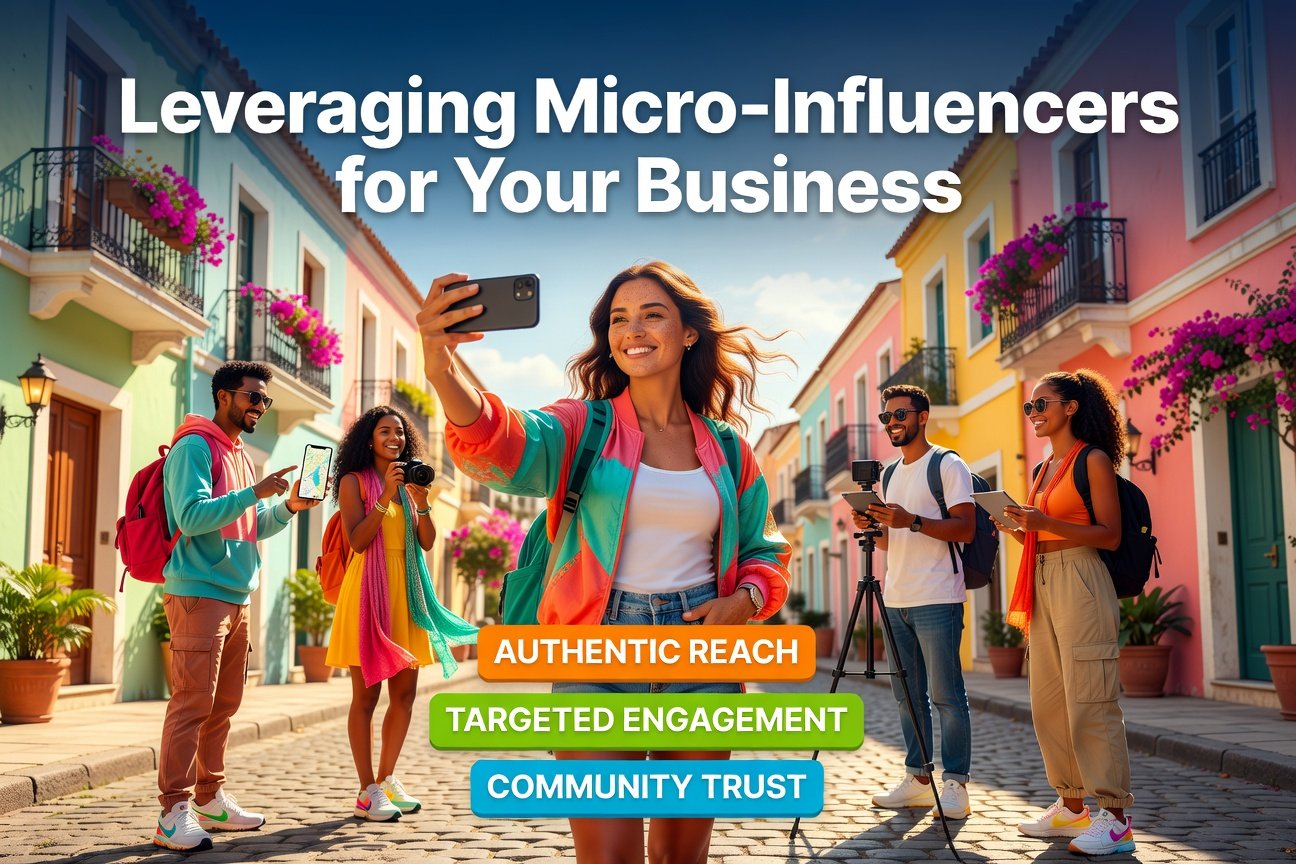
In today’s digital landscape, businesses are continually seeking innovative ways to reach their target audiences. One strategy that has gained significant traction is leveraging micro-influencers. Unlike their celebrity counterparts, micro-influencers are individuals with smaller but highly engaged audiences, typically ranging from 1,000 to 100,000 followers. This blog post explores how micro-influencers can be powerful allies in your marketing strategy, particularly in India.
Understanding Micro-Influencers
Micro-influencers are often seen as relatable and trustworthy figures within specific niches. Their engagement rates are generally higher compared to those of macro-influencers, making them a valuable asset for brands looking to foster genuine connections with potential customers. Here are some key characteristics of micro-influencers:
- Highly engaged audiences
- Cost-effective marketing options
- Authenticity and relatability
- Niche-specific expertise
The Rise of Micro-Influencers in India
In India, the influencer marketing landscape has evolved significantly. With a population that is rapidly embracing digital platforms, brands can no longer afford to overlook the potential of micro-influencers. According to a study, 67% of consumers in India trust influencers more than traditional celebrities, paving the way for micro-influencers to shine.
Benefits of Leveraging Micro-Influencers
Utilizing micro-influencers in your marketing strategy offers several advantages:
1. Cost-Effective Marketing
Micro-influencers often charge lower fees compared to macro-influencers or celebrities. This makes it easier for small and medium-sized businesses to engage in influencer marketing without overspending.
2. Authentic Connections
Micro-influencers tend to have a closer relationship with their audience, which results in more authentic endorsements. When they promote a product, their followers are more likely to perceive it as a genuine recommendation rather than a paid advertisement.
3. Targeted Reach
Micro-influencers often focus on specific niches, allowing brands to reach a highly targeted audience. This ensures that your marketing efforts are directed towards consumers who are more likely to be interested in your products or services.
4. Higher Engagement Rates
Studies show that micro-influencers typically have higher engagement rates than their larger counterparts. This means that your brand message is more likely to reach and resonate with the audience.
Strategies for Collaborating with Micro-Influencers
To make the most of your collaboration with micro-influencers, consider the following strategies:
1. Identify the Right Influencers
Choose influencers whose values align with your brand. Look for individuals who create content related to your industry or niche. Tools like Influencer Marketing Hub can help you find suitable candidates.
2. Build Genuine Relationships
Engage with potential influencers by liking, commenting, and sharing their content before reaching out for collaboration. This helps establish a genuine connection and shows that you value their work.
[DETAIL_IMAGE]
3. Create Engaging Campaigns
Design campaigns that allow micro-influencers to express their creativity. Encourage them to showcase your products in a way that feels natural and authentic to their audience.
4. Track Performance
Use analytics to monitor the success of your campaigns. Track metrics such as engagement rates, reach, and conversions to evaluate the effectiveness of your influencer partnerships.
[YOUTUBE_EMBED]
Case Studies: Successful Micro-Influencer Campaigns in India
Many brands in India have successfully leveraged micro-influencers to enhance their marketing efforts. Here are a couple of notable case studies:
1. Nykaa
Nykaa, a popular beauty and wellness brand, has effectively utilized micro-influencers to promote their products on platforms like Instagram. By partnering with beauty enthusiasts, they have showcased user-generated content that resonates with potential customers.
2. Chumbak
Chumbak, a lifestyle brand known for its quirky products, has collaborated with micro-influencers to tap into niche markets, resulting in increased brand awareness and sales. Their campaigns often feature influencers showcasing Chumbak products in everyday settings, making them relatable to their audiences.
Challenges of Working with Micro-Influencers
While there are numerous benefits to working with micro-influencers, there are challenges to consider:
- Finding the right influencers can be time-consuming.
- Micro-influencers may not have as much experience in creating sponsored content.
- Campaign management can be more complex due to the larger number of influencers involved.
Conclusion
Leveraging micro-influencers can be a game-changer for your business, especially in a diverse and rapidly evolving market like India. Their ability to create authentic connections with their audience, combined with cost-effective marketing strategies, makes them a powerful tool in your marketing arsenal. As you consider incorporating micro-influencers into your strategy, remember to approach collaborations thoughtfully and prioritize building genuine relationships.
Ready to take your marketing strategy to the next level? Start exploring the world of micro-influencers today and see how they can help your business grow!
FAQ
1. What is a micro-influencer?
A micro-influencer is an individual with a smaller but highly engaged audience, typically ranging from 1,000 to 100,000 followers, who often focus on specific niches.
2. How can I find micro-influencers for my brand?
You can find micro-influencers by using platforms like Instagram or specialized tools that help identify influencers based on niche, engagement rates, and audience demographics.
3. What are the costs associated with hiring micro-influencers?
The costs can vary widely depending on the influencer’s follower count and engagement level, but they are generally more affordable than hiring macro-influencers or celebrities.
4. How do I measure the success of a micro-influencer campaign?
Success can be measured through metrics such as engagement rates, reach, conversions, and overall brand sentiment before and after the campaign.
5. Can I work with multiple micro-influencers at once?
Yes, working with multiple micro-influencers can diversify your marketing efforts and help you reach a broader audience, but be sure to manage each partnership effectively.