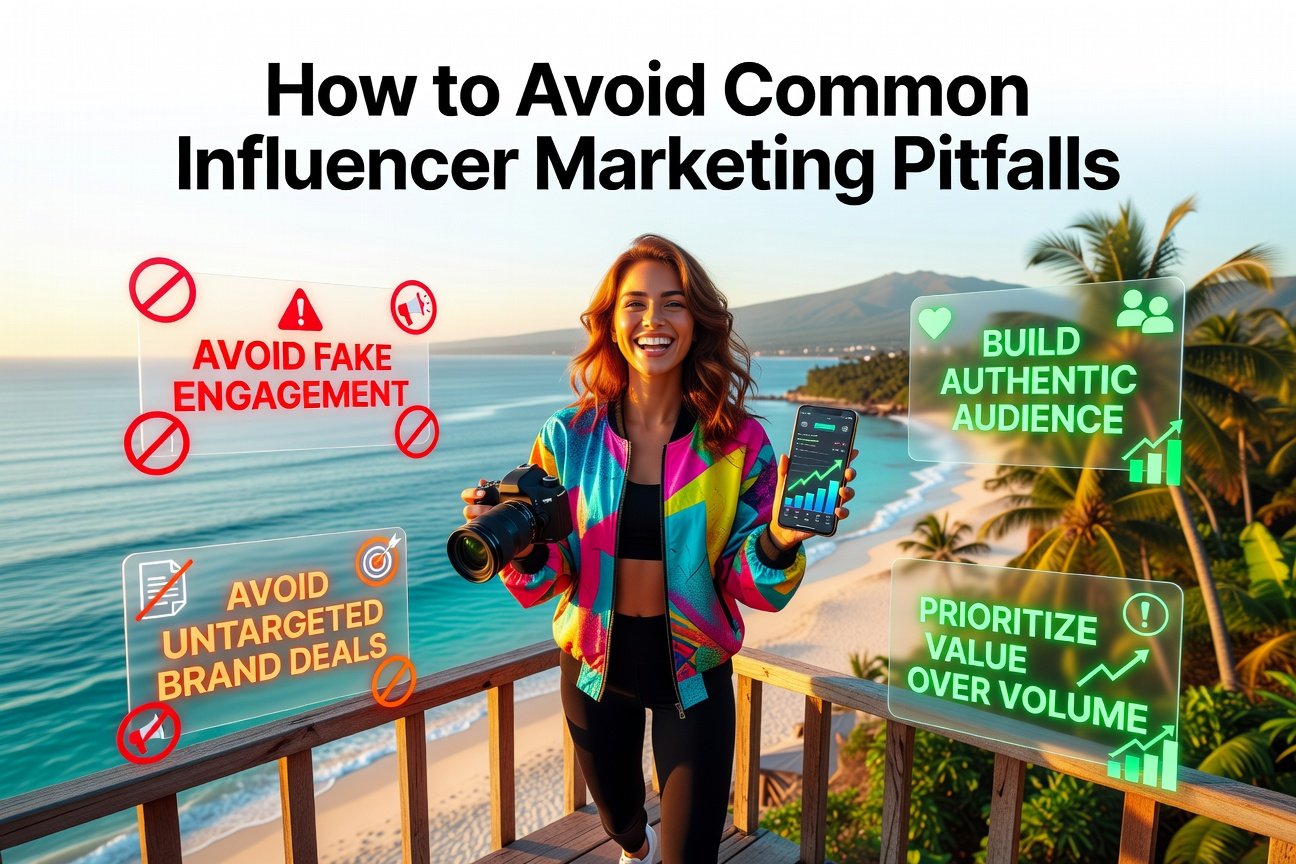
Influencer marketing can be a powerful tool for brands, but it comes with its own set of challenges. Many marketers fall into common traps that can derail their campaigns and waste resources. This guide will help you identify these pitfalls and provide actionable steps to ensure your influencer marketing efforts are successful and effective.
What You Need
- Clear marketing objectives
- Budget for influencer partnerships
- Research tools for influencer identification
- Analytics tools to measure campaign performance
Step 1: Define Your Goals
Start by identifying what you want to achieve with your influencer marketing campaign. Are you looking to increase brand awareness, drive sales, or build a community? Clear goals will guide your strategy and help you measure success.
Step 2: Choose the Right Influencers
Select influencers whose audience aligns with your target demographic. Consider their engagement rates, previous collaborations, and content style. This ensures that your message resonates effectively with potential customers.
Step 3: Create Clear Campaign Guidelines
Provide influencers with detailed briefs that outline your brand values, messaging, and content expectations. This reduces the risk of miscommunication and ensures that the content produced aligns with your brand image.
[DETAIL_IMAGE]
Step 4: Set a Realistic Budget
Allocate a budget that considers both influencer fees and additional costs, such as content production. Be transparent with influencers about what you can offer, and negotiate fair compensation based on their reach and engagement.
Step 5: Monitor Campaign Progress
Use analytics tools to track the performance of your campaign in real-time. Monitor engagement, reach, and conversion metrics to ensure the campaign is on track to meet your goals.
Step 6: Foster Long-Term Relationships
Instead of one-off collaborations, build long-term relationships with influencers. This can lead to more authentic promotion of your brand and a stronger connection with their audience over time.
Step 7: Evaluate and Optimize
After the campaign concludes, assess its performance against your initial goals. Gather feedback from influencers and analyze what worked and what didn’t. Use these insights to optimize future campaigns.
Common Mistakes to Avoid
- Failing to define clear objectives
- Choosing influencers solely based on follower count
- Neglecting to monitor campaign performance
- Ignoring audience engagement metrics
Pro Tips
- Utilize tools like BuzzSumo and HypeAuditor for better influencer insights.
- Consider micro-influencers for niche markets; they often have higher engagement rates.
- Leverage user-generated content in collaboration with influencers for authentic promotion.
FAQ
What are the best platforms for influencer marketing?
Popular platforms include Instagram, TikTok, and YouTube, but the best choice depends on your target audience and industry.
How can I measure the success of my influencer marketing campaign?
Track metrics such as engagement rates, website traffic, and conversions using analytics tools to evaluate campaign effectiveness.
Is influencer marketing effective for all types of businesses?
While influencer marketing can benefit many businesses, its effectiveness varies based on the industry and target audience. Tailor your approach accordingly.
How often should I collaborate with influencers?
Regular collaborations can build stronger brand-influencer relationships. Aim for ongoing partnerships rather than one-time promotions for better results.
By following these steps, you can effectively avoid influencer marketing pitfalls and create successful campaigns that resonate with your audience. For further insights on influencer strategies, check out Boost Your Brand with Top Influencers in Delhi. Start implementing these tips today for a more effective influencer marketing experience!